Catch of the Day: Top Fish Species to Target at Lake Powell
Anglers rejoice! Fish are abundant at Lake Powell. Here are a few to hunt for.
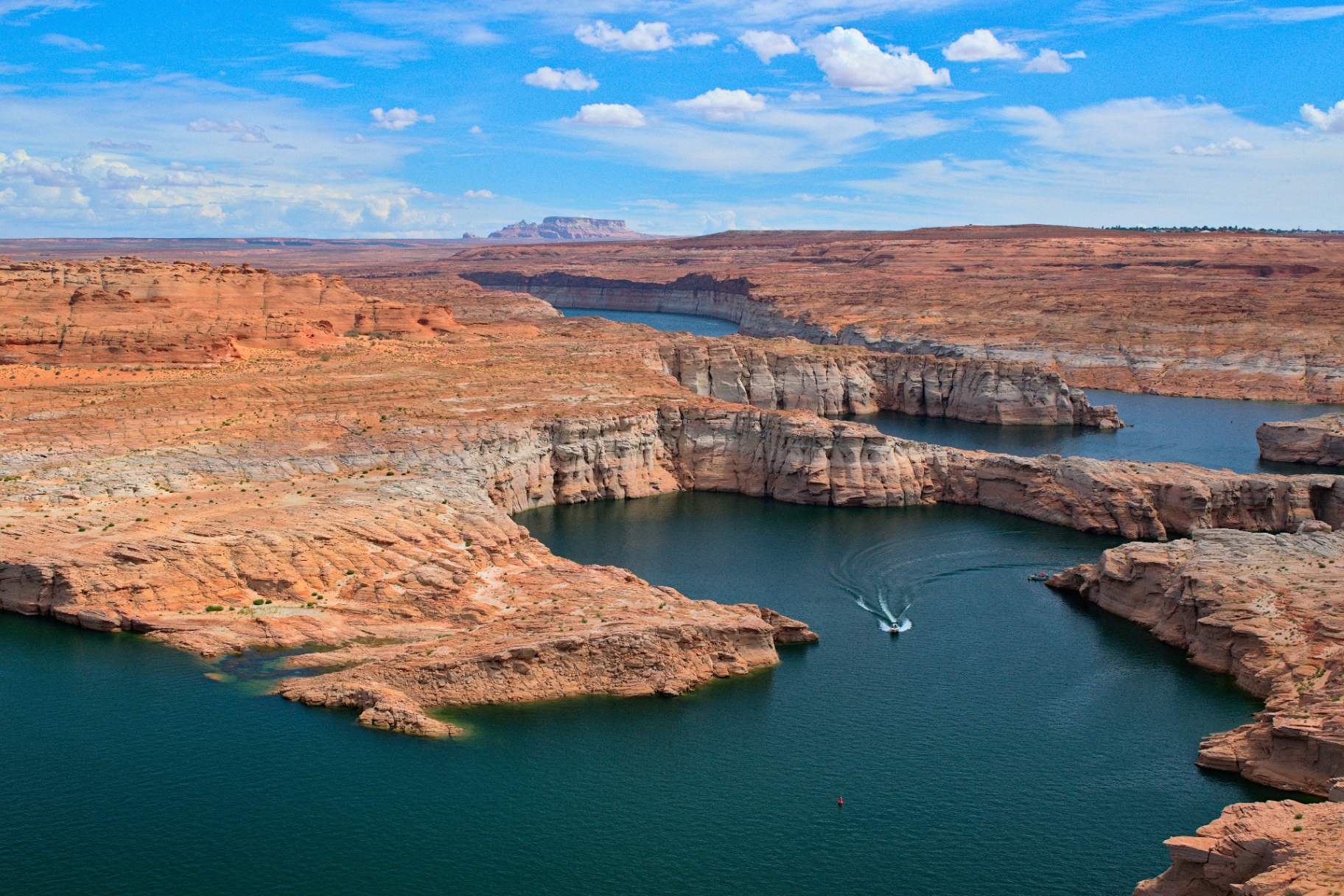
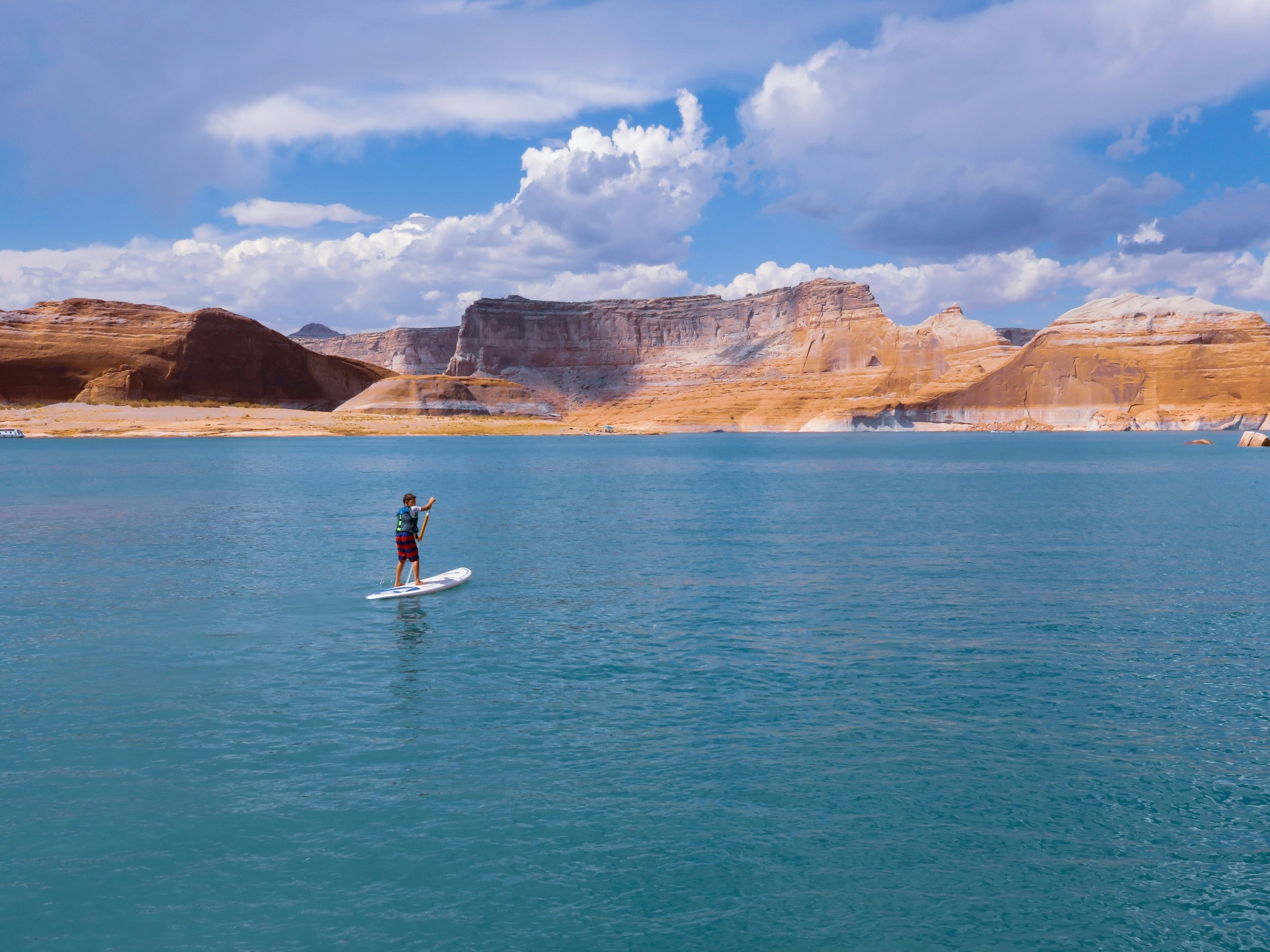
Lake Powell is a gem of the National Park Service. With its stunning red rock formations and vast expanse of water, it's a feast for the eyes and a treasure trove for anglers.
As one of the most popular fishing destinations in the United States, this reservoir on the Colorado River boasts diverse aquatic life, making it a must-visit for both novice and experienced fishermen.
Fishing at Lake Powell
This expansive reservoir created by the Glen Canyon Dam and located along the border of Utah and Arizona, is home to an array of fish species, including smallmouth bass, striped bass, largemouth bass, bluegill, walleye, channel catfish, and northern pike.
Due to Lake Powell's unique position, fishing licenses from either Arizona or Utah are valid across state lines, provided they meet the specific regulations. Catch limits as of 2018 include a limit of 20 smallmouth bass and 5 largemouth bass, with no limits on striped bass and walleye.
When to Fish
Smallmouth bass can be caught throughout the year, with peak activity in cooler months like April, September, and October. Largemouth bass fishing becomes highly productive in late winter, with spawning occurring in April and May in the shallows.
For catfish, summer and early fall are the best times — particularly at night. Striped bass tends to gather near river inlets and around the dam, especially in spring. Fly fishing enthusiasts can target large numbers of smallmouth bass between late April and May and again from mid to late October.
Where to Fish
With over 1,920 miles of shoreline, Lake Powell is a premier fishing destination.
- Antelope Point — excellent smallmouth bass, walleye, and striped bass fishing near the southern tip of the lake.
- Bullfrog Bay — at the northern end, prime for largemouth bass, walleye, and crappie.
- Halls Crossing — popular for catching smallmouth bass and rainbow trout.
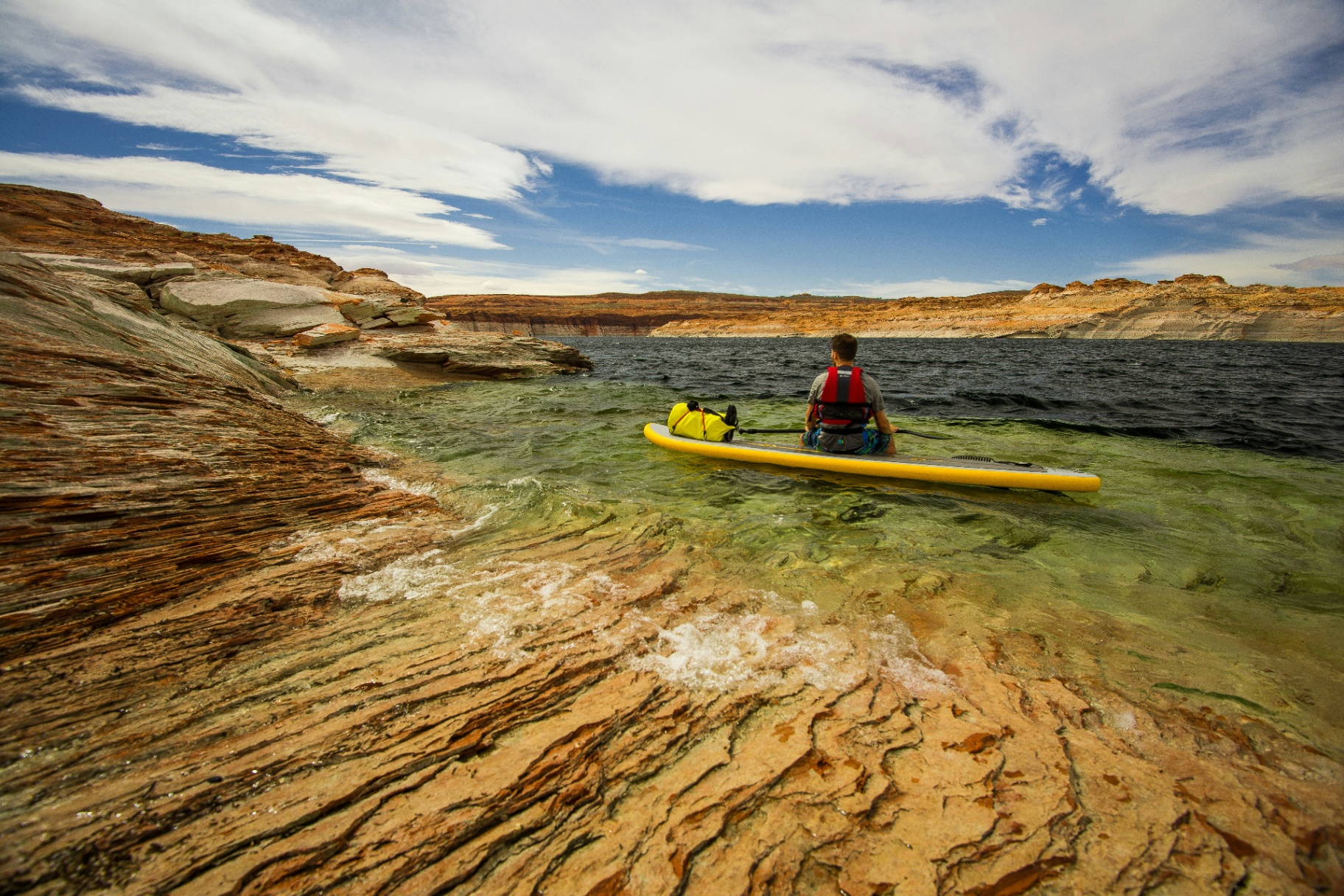
Accessing these prime fishing spots is often easiest by boat, allowing anglers to explore rock piles, deeper waters, and secluded coves.
Top Species at Lake Powell
Striped Bass
Striped bass, often called stripers, are one of the largest and most pursued fish at Lake Powell. During the early summer, anglers may witness spectacular "boils," where striped bass aggressively chase young shad near the surface.
Effective techniques include trolling lures at depths of 15-30 feet and using spoons in colder months. They're commonly found around inlets, rock piles, reefs, and near the dam.
Smallmouth Bass
Lake Powell offers excellent smallmouth bass fishing year-round, with peak activity in April, September, and October. They populate the clearer waters in the upper section of the lake.
Anglers often use topwater lures during low-light periods or 3- to 4-inch plastic grubs and tubes.
Largemouth Bass
Largemouth bass — affectionately called "bucketmouths" — can weigh up to 12 pounds. They're primarily found in deeper waters near broken rocks. Anglers often succeed using live bait like salamanders, or with various jigs.
The best fishing periods are April and May when bass move to shallow water to spawn.
Catfish
Channel catfish are popular due to their swift catch rates and average size of 22 inches. Anglers find success during summer and early fall, particularly at night, using table scraps and anchovies.
Walleye
Walleye fishing is common from early spring through midsummer. Effective techniques include trolling with crankbaits or bottom bouncers trailing spinners with worms. May and June offer the most active walleye sightings.
Bluegill
Bluegills are the most common species at Lake Powell. Despite their small size, they're abundant and can be caught using small jigs, spinners, flies, and night crawlers — accessible to both novice and expert anglers.
Do I Need a Fishing License?
Yes — Lake Powell straddles Arizona and Utah, so a valid license is required. As of 2014, a valid Utah fishing license can be used across the entire lake, including its Arizona segment.
- Utah residents and non-residents: A valid Utah fishing license covers all of Lake Powell.
- Arizona residents: Need a Utah reciprocal fishing permit to fish Utah waters.
Licenses are available through Utah's Department of Wildlife Resources and Arizona's Game & Fish Department.