Lake Powell History: The Transformation of a Natural Wonder
Lake Powell is a national treasure. Here's a brief history.
The transformation of natural landscapes can often evoke a sense of wonder and curiosity, particularly when human intervention alters the course of nature. One such breathtaking change is the story of Glen Canyon and its metamorphosis into Lake Powell.
This remarkable transition started with the vision of adventurers like John Wesley Powell and has been shaped by the demands of a growing population in the American Southwest, which relies heavily on the Colorado River for water.
As we explore the intricate details behind the Colorado River Compact and the Colorado River Storage Project, we can better understand the impact of human needs on this stunning natural marvel.
The Story of Lake Powell
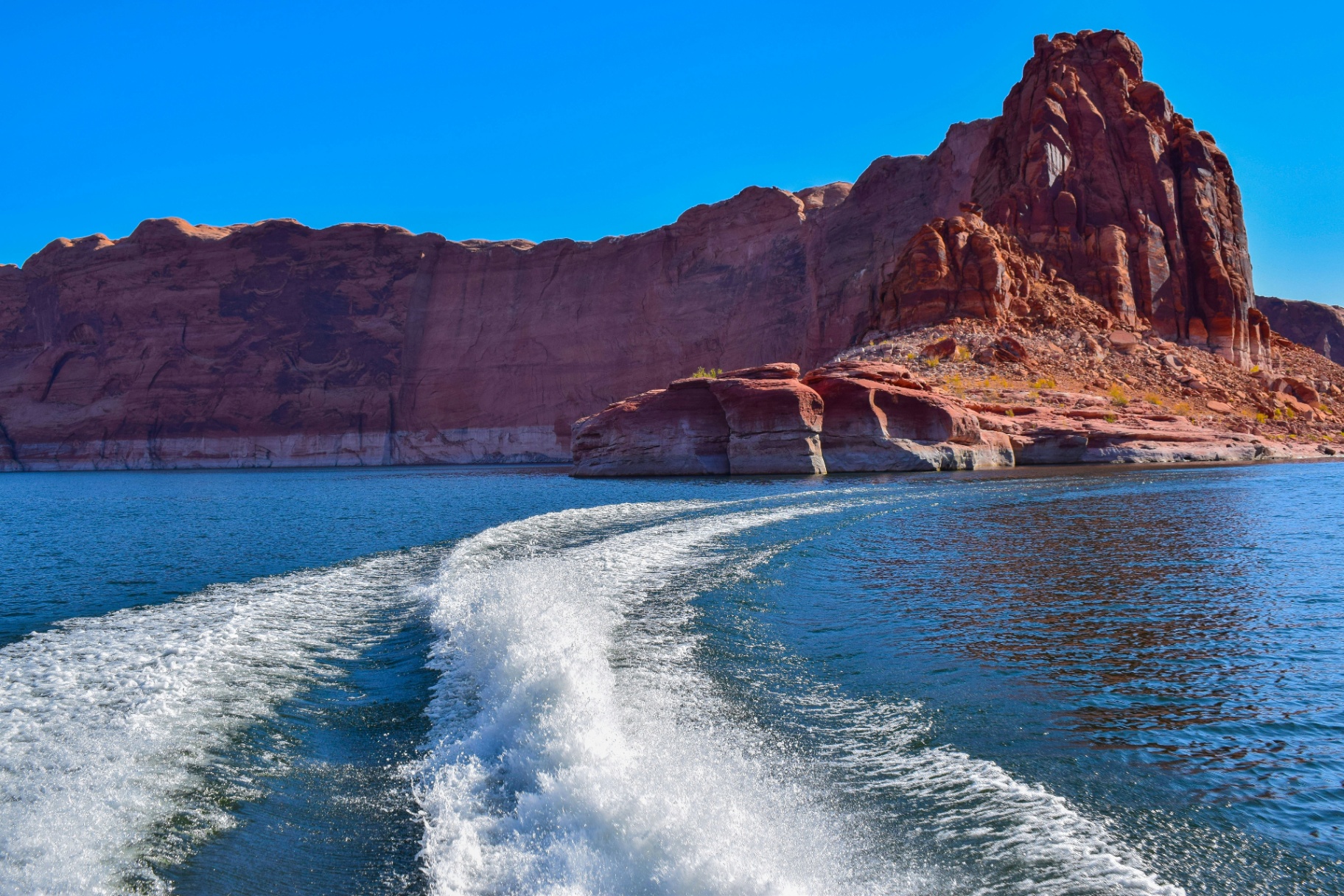
Lake Powell, the second largest man-made lake and one of the largest reservoirs in the United States, is a result of the impounding of the Colorado River by the Glen Canyon Dam.
The dam's construction, initiated during Dwight D. Eisenhower's administration, began filling the canyon with water in 1963. The lake, named after the explorer John Wesley Powell, stretches over hundreds of miles and serves as a critical component of the Upper Colorado River Basin.
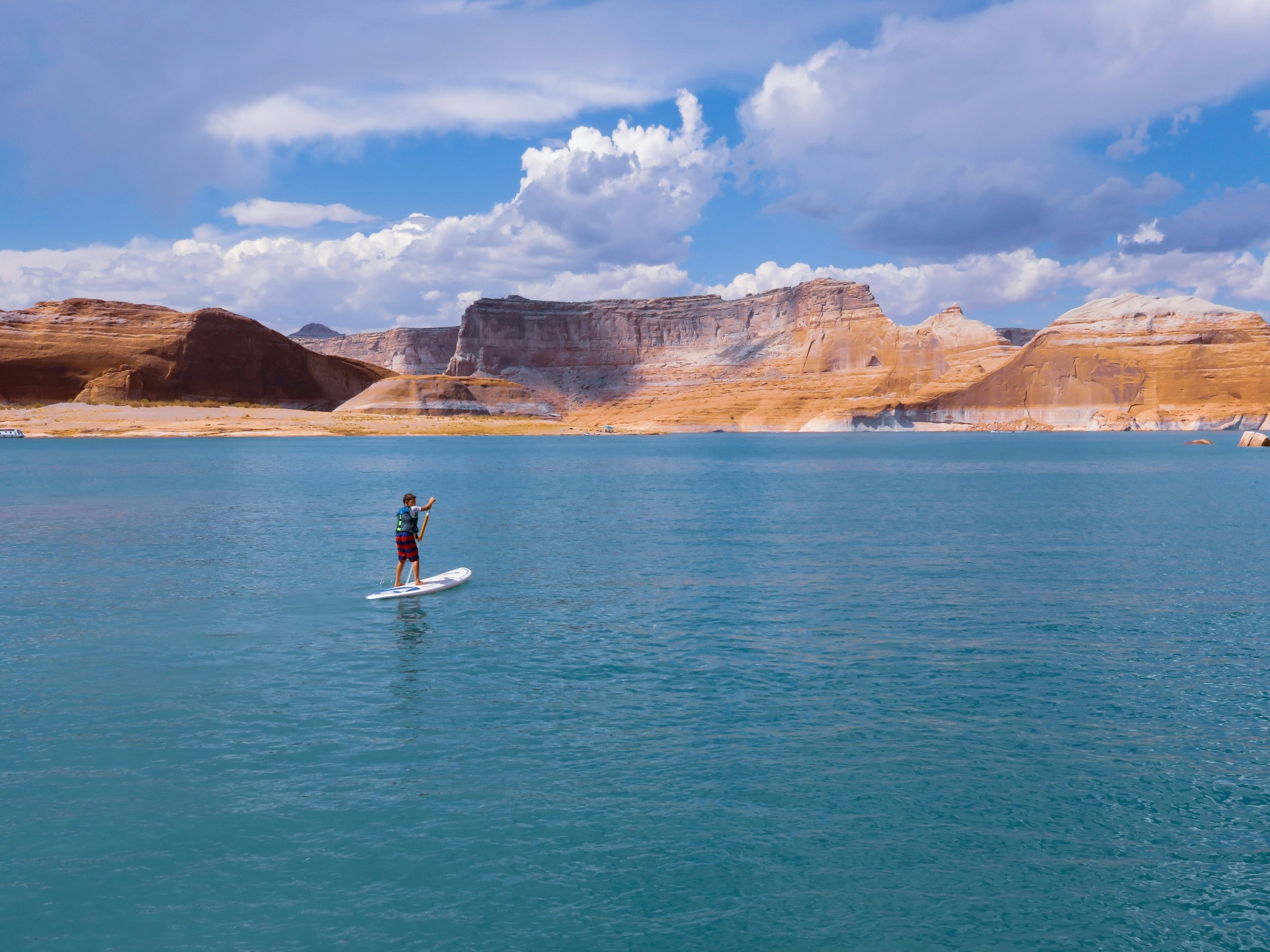
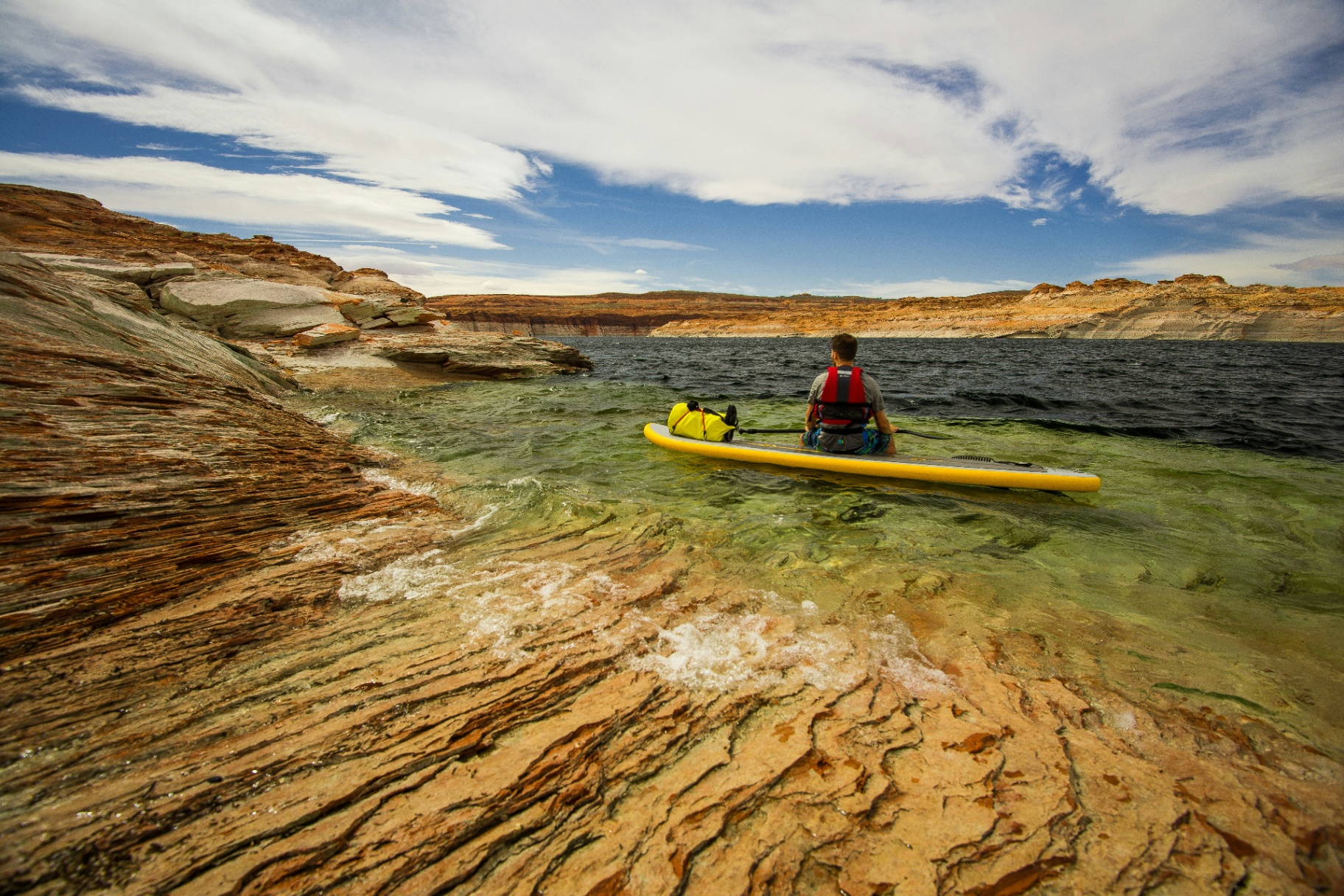
Established in 1972, the Glen Canyon National Recreation Area promotes the lake's natural beauty and outdoor recreation opportunities, including visits to the famous Rainbow Bridge and Wahweap Marina.
Despite its recreational allure, Lake Powell is integral to water management in the western United States, supplying water to over 40 million people across seven states and Mexico. As of January 2025, water levels dropped to around 35% capacity, impacting hydroelectric power production.
Key Points:
- Glen Canyon Dam started in 1963
- Established Glen Canyon National Recreation Area in 1972
- 35% capacity as of January 2025
John Wesley Powell
John Wesley Powell was an American Civil War veteran who became a pivotal figure in the exploration of the American West.
In 1869, many decades before adventurous river runners began sailing the waters of the Colorado for fun, Powell led a groundbreaking expedition down the Colorado River, navigating the treacherous waters with three wooden boats and making detailed river surveys. This journey significantly expanded the understanding of the region's geography and geology.
In honor of Powell's contributions, Lake Powell, the resulting vast reservoir, was named after him. This reservoir was created by the construction of the Glen Canyon Dam, which began filling in 1963 and took until 1980 to reach its full capacity.
The Colorado River
The Colorado River, a crucial water source in the southwestern United States, has been at the center of intense management and allocation discussions since the Colorado River Compact was established in 1922.
The Compact initially allocated 15 million acre-feet of water annually between the Upper and Lower Basins. However, this allocation was based on hydrological forecasts during an unusually wet period, revealing flaws as the river's actual annual average flow is about 13.5 million acre-feet. Moreover, an additional 1.5 million acre-feet is required to fulfill commitments to Mexico, exacerbating the allocation challenges.
The Upper Basin states are obligated to deliver 7.5 million acre-feet each year to the Lower Basin. Sediment accumulation has further reduced the storage capacity of Lake Powell, contributing to an average annual loss of around 33,270 acre-feet from 1963 to 2018.
The Growing (and Thirsty) Population of the American Southwest
The desert southwest faces significant challenges in meeting the water demands of its rapidly growing population.
Lake Powell is central to this effort, providing vital long-term carry-over storage needed for the Upper Colorado River Basin states. This reservoir is crucial during times of drought, supporting the region's municipal, industrial, and agricultural water needs.
Moreover, Lake Powell sustains economic development by supporting recreational activities and generating hydroelectric power. Increasing demand, persistent warming temperatures, an ongoing drought, and chronic overuse have exerted significant stress on both Lake Powell and the Colorado River.
Glen Canyon Dam
Glen Canyon Dam, a monumental structure completed on September 13, 1963, stands 710 feet tall.
This engineering marvel was constructed with over 5 million cubic yards of concrete, costing $155 million. Its primary purpose was to generate hydroelectric power. The creation of Glen Canyon Dam blocked the river channel of the Colorado River and led to the formation of Lake Powell, designed to store over 26 million acre-feet of water.
Despite its practical benefits, the dam's construction introduced significant ecological impacts. Fluctuating water levels impact both the dam's operations and the surrounding ecosystems, highlighting a complex interaction between human infrastructure and natural environments.
Glen Canyon National Recreation Area
The Glen Canyon National Recreation Area, established after the flooding of Glen Canyon by the Glen Canyon Dam in 1972, is a popular destination managed by the National Park Service.
This area offers visitors a stunning showcase of geological formations, including terraced plateaus, cliff-bounded mesas, and numerous side canyons. The area is easily accessed from Salt Lake City, Las Vegas, Phoenix, San Diego, Los Angeles, and other western cities, drawing in over three million visitors annually.
Lake Powell, the major reservoir created by the dam, extends through Glen Canyon, boasting a remarkable 1,960 miles of meandering shoreline at full capacity.
The Legacy and Future of Lake Powell
Lake levels in Lake Powell fluctuate seasonally, typically rising between May and July from spring runoff and dropping the rest of the year. A current drought and prolonged past droughts have caused water levels to dip by over 200 feet. Climate change and structural deficits further complicate the reservoir's recovery.
Congress has prohibited any plans or funding for draining Lake Powell to safeguard this essential resource. Despite declining levels, its benefits underscore the need for strategic discussions on water management to navigate these challenges and ensure Lake Powell continues to serve recreational and hydrological purposes.